How to Prevent Pilling, Roughness and Shrinkage in Bulk Hijab Orders
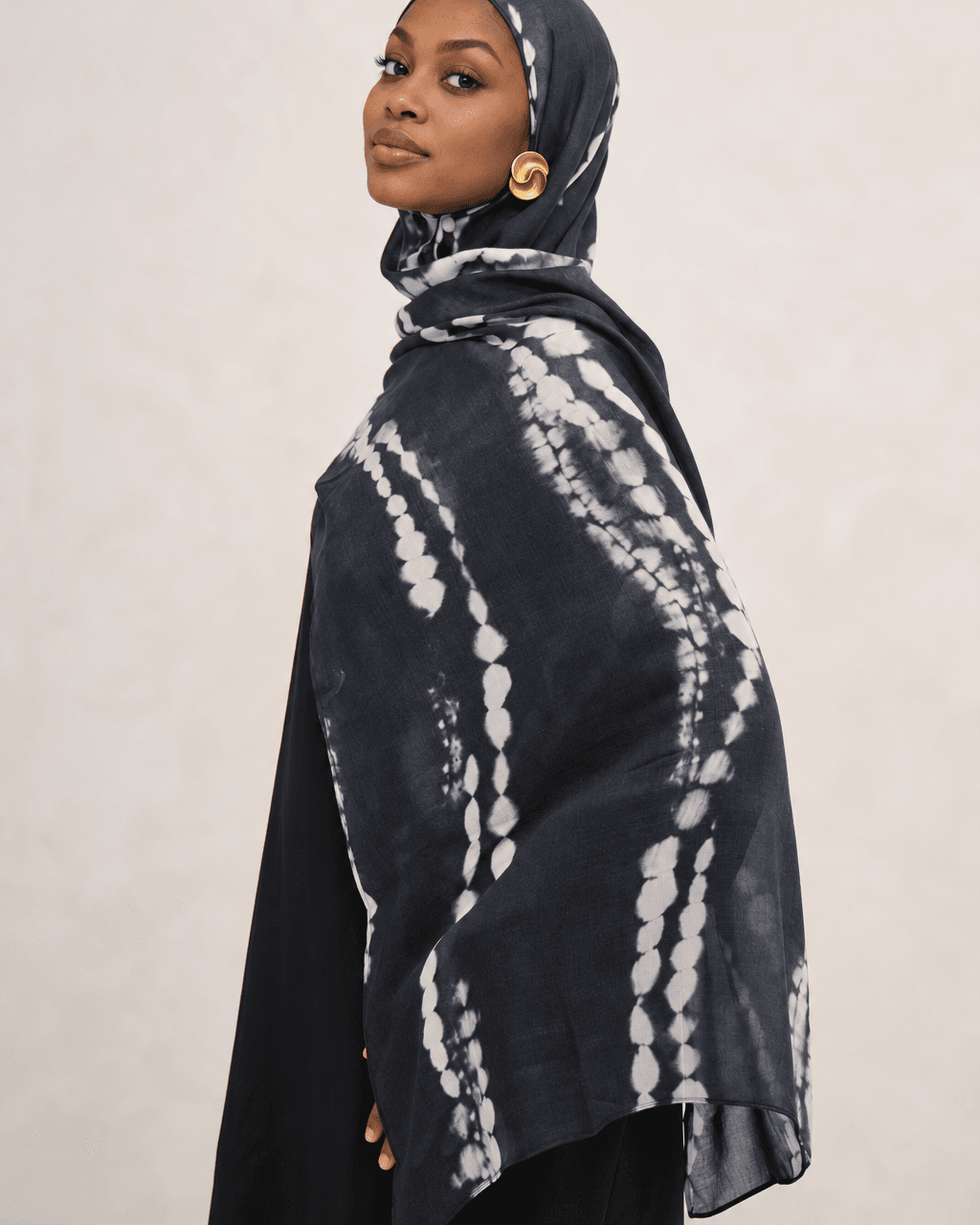
Preventing pilling, roughness and shrinkage starts before bulk production: lock the exact fabric, define the intended care process, test development samples through repeated care, and keep an approved control. Bulk inspection should compare dimensions, surface, hand and workmanship to that standard. Fiber name or a soft first touch is not enough.
Understand the three failures
Pilling is the formation of small fiber balls through rubbing and entanglement. Roughness is a change in perceived surface or flexibility and may involve fiber, yarn, finish, laundering, residue or abrasion. Shrinkage is dimensional change; distortion can also include twisting, edge curl or loss of shape. These are related but require separate observations.
Public reviews mentioning jersey that pills or feels rough after washing identify an important moment of truth. They do not diagnose the technical cause or represent all jersey. A buyer should use those observations to design care trials and supplier questions.
| Issue | Consumer observation | Buyer verification |
|---|---|---|
| Pilling | Fuzzy balls at high-rub areas | Controlled surface assessment before and after agreed abrasion/care |
| Roughness | Less soft or scratchier after washing | Blind or controlled hand comparison to retained sample |
| Shrinkage | Shorter, narrower or harder to wrap | Marked-point measurements before and after care |
| Distortion | Twisted hems, curling or uneven shape | Flat-lay geometry and edge inspection |
Freeze the fabric identity before testing
A sample test has limited value if bulk production uses a different quality. Record all available identifiers for the selected material: composition supplied, construction, weight or relevant supplier quality code, finish, color and lot information. Keep enough sealed approved material or finished product for future comparison.
Ask the supplier to disclose proposed substitutions before use. A similar-looking fabric can behave differently after laundering. If a change is accepted, repeat risk-based testing rather than transferring approval automatically.
- Supplier quality or article code
- Declared composition, subject to required verification
- Construction and available weight specification
- Color and lot identity
- Finish or treatment information available
- Finished dimensions and edge construction
- Dated approval sample and revision status
Design a care trial that matches the label
First draft the intended care instruction, then test it. Record water temperature or cycle, detergent type, load conditions, drying method, reshaping and any ironing. If customers may reasonably use another common method, consider a risk check while keeping official instructions clear.
Measure only after samples have been conditioned consistently. For a rectangle, use defined points for length and width rather than whichever edge appears shortest. Report each direction separately. Do not set an arbitrary shrinkage promise here; select limits with technical input, supplier capability and market requirements.
Repeat care, not just one wash
Some pilling, hand change and progressive shrinkage emerge over multiple cycles. Agree a repeat count appropriate to the product and claim. Keep an unwashed control and, if possible, evaluate coded samples without telling reviewers which is which to reduce expectation bias.
Assess the full scarf
Inspect center, edges, corners, labels and any printed area. Edge thread can shrink differently from the body, causing tunneling or wavy hems. Heat or pressing may also alter sheen or texture. Photograph samples in consistent light after each evaluation point.
Use practical testing and qualified laboratories where needed
Internal comparisons help with development, but formal claims or contractual limits may need recognized methods and competent laboratories. Ask a qualified testing provider which method fits the exact fabric and destination. Do not claim certification or a test result until documentation exists for the product concerned.
Relevant categories may include dimensional stability, pilling resistance, abrasion, colorfastness and restricted substances, depending on the product and market. The appropriate scope must be confirmed; this guide does not prescribe a universal test package.
| Question | Development check | When specialist input helps |
|---|---|---|
| Does size change after care? | Marked measurements using recorded procedure | Contractual method and tolerance validation |
| Does the surface pill? | Side-by-side controlled assessment | Standardized pilling method and rating |
| Does hand become rough? | Coded panel comparison | Instrumental or expert analysis if a claim is needed |
| Is the product compliant? | Document review only | Market-specific laboratory and regulatory advice |
Carry controls into bulk production
Provide the factory with the approved sample and latest specification. At suitable production stages, check fabric identity, shade, dimensions, edge workmanship and obvious surface defects. From finished goods, draw a representative sample across relevant cartons, colors or lots according to an agreed inspection plan.
A quick pre-shipment visual check cannot reproduce every long-term care result, so combine it with earlier material and production controls. Keep traceability between results and lots. If a failure appears, quarantine affected goods, define the extent and investigate before agreeing corrective action.
- Latest specification at production site
- Approved fabric and finished-product controls
- Incoming material identity and lot records
- In-process dimensions and edge checks
- Representative finished-goods sampling
- Care verification on agreed production samples
- Nonconformance, disposition and corrective-action record
Handle odor and roughness reports methodically
An unusual odor can arise from packaging, storage, processing or contamination, but smell alone does not establish the cause. Record when it appears, how products were packed, whether cartons were damp or damaged and whether the issue is consistent across a lot. Escalate safety or chemical concerns to qualified professionals.
For roughness, compare affected stock with the approved control under the same conditioning. Review detergent, water, drying and finishing history. Avoid masking an unexplained issue with fragrance or unsupported assurances. Clear evidence protects the buyer, supplier and end customer.
Quote against a quality plan
Include intended care, dimensions, quality controls, required testing, colors, quantities, labels, packaging and destination in the RFQ. Ask which controls are feasible and who pays for agreed testing or re-testing. Commercial terms, MOQ and schedule can then reflect the actual work rather than a generic product assumption.
FREQUENTLY ASKED
Buyer FAQ
Why does a jersey hijab pill after washing?
Pilling can be influenced by fiber and yarn properties, construction, rubbing, finish and laundering. Test the exact quality through the intended care process and use an appropriate standardized method when a formal limit is needed.
How do buyers measure hijab shrinkage?
Mark consistent measurement points, record dimensions before care, follow a documented wash/dry/conditioning procedure and remeasure in each direction. Agree limits with technical input for the specific product.
Can softness be specified?
Yes, but subjective wording is weak alone. Use a controlled approved sample, consistent conditioning and a defined comparison process; add suitable objective testing if required.
Is pre-shipment inspection enough for bulk hijab quality?
No. It can find visible defects and dimensional issues, but quality should also be controlled through fabric approval, care trials, in-process checks, testing where needed and lot traceability.
Related buyer resources
Research basis
This guide converts recurring public consumer questions, review themes and supplier-FAQ topics into buyer verification actions. Public comments are observations, not technical proof about every product.