Hijab Opacity and Color Accuracy: A Buyer’s Approval Checklist
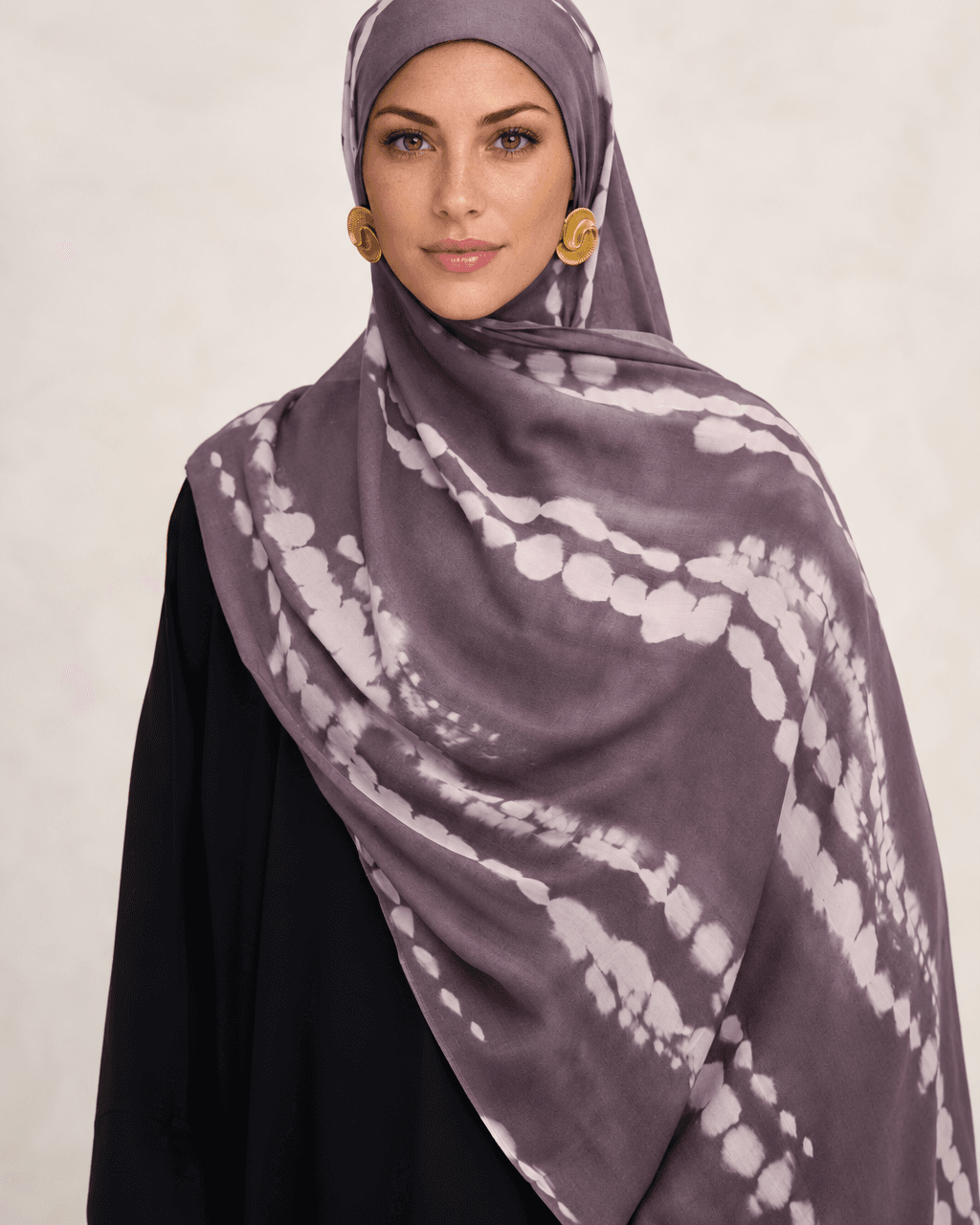
To approve opacity and color accurately, wholesale buyers need physical shade samples, controlled viewing conditions and written limits. Check opacity on agreed contrasting backgrounds in both single-layer and intended styling, and approve color under more than one relevant light source. A screen image alone cannot control production color.
Opacity is a use condition
A scarf can appear opaque when folded on a table and become translucent when stretched around the head or viewed against a high-contrast undercap. Construction, weight, finish, shade, stretch and number of layers all contribute. The buyer must define the wearing condition that matters.
Consumer reports about pale colors being more transparent are a risk signal. They are not a substitute for evaluation. Include at least one pale shade in development, even if the first sample arrives in black, and assess the scarf over both light and dark contrast backgrounds.
| Condition | Why it matters | Approval evidence |
|---|---|---|
| Single layer, relaxed | Baseline construction coverage | Standardized photos and visual rating |
| Single layer, gently tensioned | Simulates face and neck shaping | Agreed stretch setup and contrast card |
| Intended wrap/layers | Represents customer use | Front, side and back wear photos |
| Pale and dark shades | Dye depth changes visual coverage | Separate shade-level approval |
Create a repeatable opacity check
Use a consistent light position, distance and background. Place the fabric over defined black-and-white or other high-contrast cards, first relaxed and then in an agreed tension fixture if stretch is relevant. Avoid inventing a universal pass number: determine an approval scale appropriate to your product and market, and retain the setup details.
Wear evaluation remains important because seams, undercaps, hair and folds create real-world contrast. Record whether one layer or multiple layers are expected. If the product requires an undercap to meet the coverage promise, disclose that clearly in sales and styling information.
- Identify the intended layer count and styling method
- Choose consistent contrast backgrounds
- Fix light source, distance and viewing angle
- Assess relaxed and use-relevant tension
- Include the palest proposed shades
- Photograph with locked exposure and white balance
- Retain labeled swatches and the approval record
Why product photos and delivered colors differ
Color can shift because of lighting spectrum, camera exposure, white balance, editing, display calibration, surrounding colors and the fabric’s surface. Chiffon may transmit background color; satin-like surfaces may reflect highlights; textured fabrics create shadow. A web image is therefore a communication aid, not a production standard.
Public reviews that mention colors differing from online images show the commercial consequence of unclear expectations. Wholesale buyers should provide a physical standard where possible and define whether it is a target, an exact reference subject to agreed tolerance, or simply inspiration.
Review under relevant lighting
Compare the submission and standard side by side in a controlled viewing space. Use at least the principal retail or daylight condition and another relevant condition to detect metamerism, where two samples match under one light but diverge under another. Record the source used rather than writing only “natural light.”
Keep camera documentation honest
Include a neutral reference in documentation, lock camera settings and avoid filters. Even disciplined photography does not replace the physical standard. Use images to locate a problem or share progress, then base final visual approval on controlled physical comparison whenever practical.
Control shade from sample to bulk
Name every color with a unique internal code. Supplier names such as rose, sand or mocha are too subjective. Link the code to a dated, signed or sealed physical standard and clearly identify the fabric quality because one dye target can appear different on another construction.
Before bulk, agree the approval sequence and what happens if a lot falls outside the mutually accepted range. Review representative bulk cuttings or an agreed production submission. If multiple lots are unavoidable, identify and pack them so a retailer does not unknowingly mix visibly different shades in one display or customer order.
| Control point | Buyer provides | Supplier confirms |
|---|---|---|
| Development | Color code and physical/digital reference status | Feasibility on proposed fabric |
| Lab/sample stage | Viewing method and comments | Revised submission identity |
| Bulk approval | Controlled standard and accepted range | Lot identity and comparison submission |
| Packing | Rules for lot separation | Traceable carton or unit coding |
Approve the whole colored product
Color approval must include thread, labels, prints and packaging where they are intended to match. A near match can become conspicuous at a stitched edge. Also inspect for barre, streaks, shading across the width and marks that only appear in transmitted light.
Confirm whether care changes shade, opacity or surface. Run the proposed care procedure on representative colors and compare them with an unwashed control after conditioning. Any performance or colorfastness claim for sale should be supported by appropriate testing for the product and destination market.
- Fabric face and reverse
- Center-to-edge shade consistency
- Thread and edge match
- Labels and printed elements
- Single-layer and wrapped opacity
- Appearance before and after proposed care
- Lot code and approval traceability
Send a color-ready RFQ
For useful pricing and development feedback, include fabric direction, dimensions, color count, a description of how colors will be referenced, quantity by color, labeling, packaging and destination. Ask what sample or lab submission process is available for the selected fabric.
MOQ, shade feasibility, timing and test options depend on the confirmed material and order structure. Keep them marked for supplier confirmation instead of assuming a general FAQ applies to your palette.
FREQUENTLY ASKED
Buyer FAQ
How can I source opaque hijabs wholesale?
Define opacity under realistic layers, tension, backgrounds and lighting, then inspect physical samples—especially pale colors. Confirm the exact quality and repeat the check on bulk submissions.
Why does a pale hijab look transparent?
Light shades may create less visual masking, while low weight, open construction, stretch and background contrast can increase show-through. Test the specific color and construction.
Can I approve hijab color from a phone photo?
Use photos for communication, not final control. Screens, cameras and lighting vary. A controlled physical comparison to an identified standard is more reliable.
Will every bulk piece be exactly the same shade?
Textile processes can produce variation. Agree an acceptable comparison method, review representative production submissions and keep lots traceable rather than expecting an undefined perfect match.
Related buyer resources
Research basis
This guide converts recurring public consumer questions, review themes and supplier-FAQ topics into buyer verification actions. Public comments are observations, not technical proof about every product.